Last updated November 25, 2026




Free written scope consultation - allowances, timeline, and change-order rules on paper before a single trade is scheduled
How to Hire a Construction Contractor in Rancho Cordova: A Step-by-Step Guide
The most common piece of advice about hiring a contractor is also the least useful: get three bids and check the license. That’s a floor, not a strategy. The cheapest number on the page often looks cheap because the scope was written thin, the materials weren’t named, or the crew doing the framing has no paper trail at all. In Rancho Cordova, where a growing number of homes are hitting the age where kitchens and bathrooms need real work, the difference between a bid you can trust and one that collapses mid-demolition comes down to how you read the paperwork. This guide walks you through a vetting framework that shows you which contractor actually has the material relationships and the process discipline to finish your project. You’ll learn how to verify a California license, what to ask about subcontractors and sourcing, how to structure payments, and which local red flags matter most.
Quick Answer
To hire a construction contractor in Rancho Cordova, verify their California license and classification through the CSLB, insist on a written scope that names every material and brand, ask directly who will be on site and where products are sourced, and tie payments to inspections and milestones instead of calendar dates. A free written estimate from a single-source remodeler beats three vague verbal quotes, because it’s the only document you can hold anyone to.
Styles & brands we work with
- Kitchen remodeling
- Bathroom remodeling
- Home additions & ADU
- Roofing
- Windows & doors
- Driveway & pavers
- Fence
Table of Contents
- Step 1: Verify the License and What the Classification Letters Mean
- Step 2: Demand a Written Scope With Named Materials
- Step 3: Ask the Sourcing and Subcontractor Questions
- Step 4: Never Accept a Bid Without a Site Visit
- Step 5: Structure Payments Around Inspections, Not Dates
- Red Flags Specific to the Rancho Cordova Market
- Common Mistakes to Avoid
- Frequently Asked Questions
Step 1: Verify the License and What the Classification Letters Mean
Every contractor working on a California home that costs more than a few hundred dollars must hold a license from the Contractors State License Board. Verify it yourself at cslb.ca.gov before you sign anything. Ask for the license number, type it into the board’s lookup, and read what comes back. You’re checking three things: that the license is active, that the classification matches the work, and that the bond and workers’ compensation coverage are current.
The classification letters matter more than most homeowners realize. A B classification is a general building contractor and is the one you want for a project that spans multiple trades, like a kitchen remodeling that involves demolition, cabinetry, electrical, plumbing, and finish work. Trade-specific classifications like C-33 for painting or C-54 for tile are limited to that trade, and a contractor holding only a single-trade license should not be running your whole project. If the license lookup returns a classification that doesn’t cover the scope you’re asking for, that’s a real problem, not a technicality.
Workers’ compensation coverage deserves its own check. If a worker is injured on your property and the contractor has no coverage, that liability can land on your homeowner’s policy. The CSLB lookup shows whether workers’ compensation is on file or whether the contractor is exempt. An exemption is only valid when the contractor genuinely has no employees. Ask how many people will be on the job and whether they’re employees or subcontractors, then cross-check what you’re told against what the record shows.
One more thing: the license has to be active on the day work begins, not just the day you signed. We’ve seen projects stall when a contractor’s license lapsed mid-job. If your project runs for months, spot-check the license again before the next payment goes out. It takes thirty seconds and it protects the whole investment.
Step 2: Demand a Written Scope With Named Materials
A lump-sum price is not a scope. It’s a number that tells you nothing about what you’re buying. The single most protective document in a remodeling project is a written, line-item scope that names every material, every product line, and every allowance with its dollar cap. When your contractor writes “tile flooring” you have no idea whether that’s a builder-grade ceramic or a porcelain that will outlast the mortgage. When they write the specific product line, brand, and model, you can research the warranty and the price before a single nail goes in.
This is where material transparency separates contractors. A remodeler with real manufacturer relationships can name options instead of defaulting to one take-it-or-leave-it product. In a kitchen, that means cabinetry from KraftMaid or Wellborn paired with countertops from Cambria, Silestone, or Caesarstone. In a bathroom, it means fixtures from Delta, American Standard, or Toto, so you can pick a tier that fits your budget and your taste instead of accepting whatever the contractor’s distributor pushes. You choose the brand, we handle the build.
Ask for the scope in writing and read it line by line. Every line should tell you:
- The exact product, brand, and model or product line
- The quantity, with square footage or linear footage spelled out
- Whether an allowance applies and what the cap is if you upgrade
- Who removes and disposes of the old material
- What’s excluded (this is where surprises hide)
A scope that names materials also protects you when the estimate is adjusted. If a bid comes in low because it assumed a ceramic floor and you wanted porcelain, that gap should show up as a line item, not as a mystery charge three weeks in. The written estimate sets the final price, so make sure it’s complete before you compare bids against each other.
Step 3: Ask the Sourcing and Subcontractor Questions
Most homeowners ask about timeline and price. The questions that actually reveal a contractor’s competence are about sourcing and staffing. Ask them directly and listen carefully to how the answer is structured. A confident contractor answers in specifics. A weak one answers in generalities.
Who will physically be on site? General building contractors often use specialty subcontractors for electrical, plumbing, and HVAC, which is normal. What you need to know is whether those subs are licensed, whether the general contractor carries the workers’ compensation that covers them, and who you call if there’s a problem. The right answer names a point of contact and takes responsibility for the subs’ work. The wrong answer is “we’ve worked with these guys for years” with no license numbers attached.
Where do the materials come from? A contractor with genuine manufacturer relationships can tell you which brands they’re authorized to source, what the lead times look like, and how warranty support works if something arrives damaged. Ask whether they can source a brand you’ve researched yourself. A contractor who can only offer one cabinet line or one fixture line has a narrow supply chain, and that narrowness usually shows up as either a substitution or a price bump.
What’s your process when a material is backordered? This question surfaces how the contractor handles the real-world snags that hit every project. A good answer involves naming an equivalent product, getting your written approval, and adjusting the schedule. A bad answer involves a substitution you discover after installation.
For exterior and hardscape work, the same questions apply. If the scope includes siding or a patio, ask which brands the contractor sources. James Hardie siding and hardscape products from Belgard, Unilock, or Techo-Bloc are the kinds of names that tell you the contractor works with real supply chains, not whatever’s on the truck that week.
Step 4: Never Accept a Bid Without a Site Visit
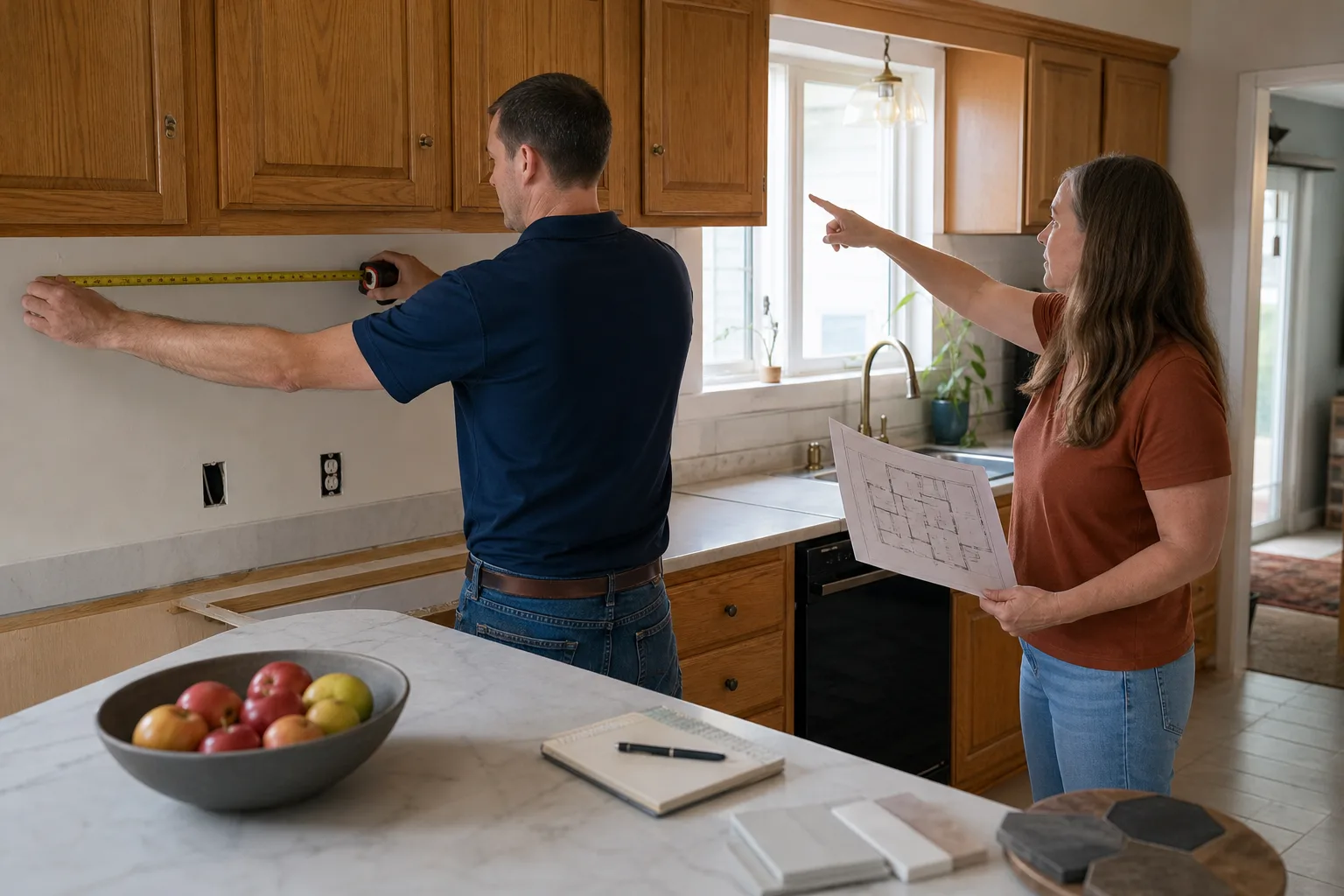
Any price quoted without someone walking your home is a guess dressed up as a bid. In Rancho Cordova, where the housing stock spans mid-century tract homes and newer construction, the conditions under the floor and inside the walls vary enormously. A contractor who quotes a bathroom remodel over the phone has no idea whether the existing plumbing is copper or galvanized, whether the subfloor is sound, or whether the electrical panel has room for the circuit your new lighting needs. That guess becomes a change order the moment the walls come down.
A proper site visit should include:
- An actual walkthrough of the space being remodeled, not just a look at photos
- Access to the panel, the water heater, and the subfloor if the project touches them
- Measurements taken on site, not from a listing
- A discussion of what might be behind the walls and how that gets priced
- A written record of the conditions found, so the scope reflects reality
If a contractor can’t schedule a visit, they can’t price your job. The bid that arrives without one is almost always either the highest number (padded to cover the unknown) or the lowest (thin, and headed for change orders). Neither serves you. The site visit is also your chance to see how the contractor talks about problems. A good one points out what they expect to find and how the scope accounts for it. That’s the behavior of someone who has actually opened a wall before.
For larger scopes, ask whether the site visit includes any specialty trades. On a project that combines kitchen and bathroom work under one contract, having the same person assess both spaces tells you whether the scope is being built as one coordinated plan or stitched together from separate bids. Our bathroom remodeling estimates are written the same way, with the site conditions documented before pricing.
Step 5: Structure Payments Around Inspections, Not Dates
A payment schedule tied to calendar dates rewards a contractor for elapsed time. A schedule tied to milestones and inspections rewards them for completed, verified work. California law limits the down payment on most home improvement contracts, and the CSLB publishes guidance on what a reasonable schedule looks like. Ask for the schedule in writing before you sign and structure it so money follows progress.
A milestone-based schedule generally looks like this:
- Deposit at contract signing, capped as the law allows, with the license number on the contract
- Demolition and rough-in complete, often paired with a rough-in inspection if your city requires one
- Drywall and finish materials delivered, so you can confirm the named products actually arrived
- Final installation complete, after cabinets, fixtures, and flooring are in place
- Final walkthrough and inspection sign-off, with a punch list addressed before the last payment
Never pay the full balance before the final inspection passes. If a project requires a permit, and most structural, electrical, and plumbing work does, the city inspection is your proof that the work meets code. Tie the final payment to that sign-off. Ask your contractor to name who pulls the permit and who is responsible for scheduling the inspections. The answer should be the contractor, not you. Permits aren’t just paperwork; they create a record of the work that matters if you ever sell the home.
Keep a simple ledger of what you’ve paid against what’s been completed. If a contractor asks for a payment ahead of the milestone that justifies it, that’s a conversation worth having before the check goes out, not after. And get a lien release or waiver with each payment, so you have a paper trail showing subcontractors have been paid.
Red Flags Specific to the Rancho Cordova Market
Some hiring warning signs are universal, but a few are specific to this area. Rancho Cordova sits at the eastern edge of Sacramento County, with a mix of established neighborhoods and newer development. That mix draws contractors of very different quality, and a few patterns are worth watching for.
Out-of-area contractors with no local presence. A crew driving in from another county isn’t automatically a problem. What matters is whether they can return for warranty work and whether they know the local permit office. Ask how they handle a callback six months later. If the answer involves a long drive and a vague timeline, factor that in.
Bids that arrive without a site visit. We covered this above, but it’s worth repeating as a red flag. In a market with this much variety in housing stock, a bid without eyes on the property is a guess. Treat it as one.
Scope that omits the boring stuff. Removal, disposal, permits, inspection fees, and patch-and-paint after electrical work are easy to leave out of a bid to make it look lower. Read your scope for what’s missing, not just what’s there.
One-material contractors. If every bid comes back with the same single cabinet line or the same single fixture brand and no alternatives, you’re dealing with a narrow supply chain. A contractor with real manufacturer relationships can offer options across price tiers, which is the sign you’re not being steered toward whatever pays them the most.
Pressure to skip the permit. A contractor who suggests pulling the permit isn’t necessary is telling you something important about how they handle the rest of the job. In Rancho Cordova, as in most of Sacramento County, structural, electrical, and plumbing work typically requires a permit. Ask your city’s building department if you’re unsure about your specific scope.
Common Mistakes to Avoid
- Comparing bids on price alone. Two bids for the same kitchen can differ by thousands because one names Cambria or Silestone countertops and the other leaves the surface undefined. Compare scopes line by line, not totals at the bottom.
- Skipping the CSLB lookup. Verifying the license, classification, and bond status takes a few minutes and catches problems that no amount of conversation will reveal. Do it before the contract, not after.
- Paying a large deposit upfront. California limits how much a contractor can collect at signing. A contractor who asks for more than the law allows is telling you how they’ll handle the rest of the schedule.
- Accepting a verbal scope. “We’ll match the existing paint” sounds reassuring until you find out the existing paint was a custom mix. Put every material and finish in writing.
- Ignoring what’s behind the walls. Rancho Cordova homes vary widely in plumbing and electrical age. A contractor who doesn’t account for what might be found during demolition is writing a bid designed to change later.
- Hiring separate contractors for connected work. When kitchen, flooring, and painting are all part of the plan, splitting them across contractors means you become the project manager. One contract with one accountable point of contact avoids the coordination failure that stalls projects.
- Forgetting the permit record. Unpermitted work can complicate a future sale. Ask who pulls the permit and make sure the final inspection is part of the contract, not an afterthought.
See the difference
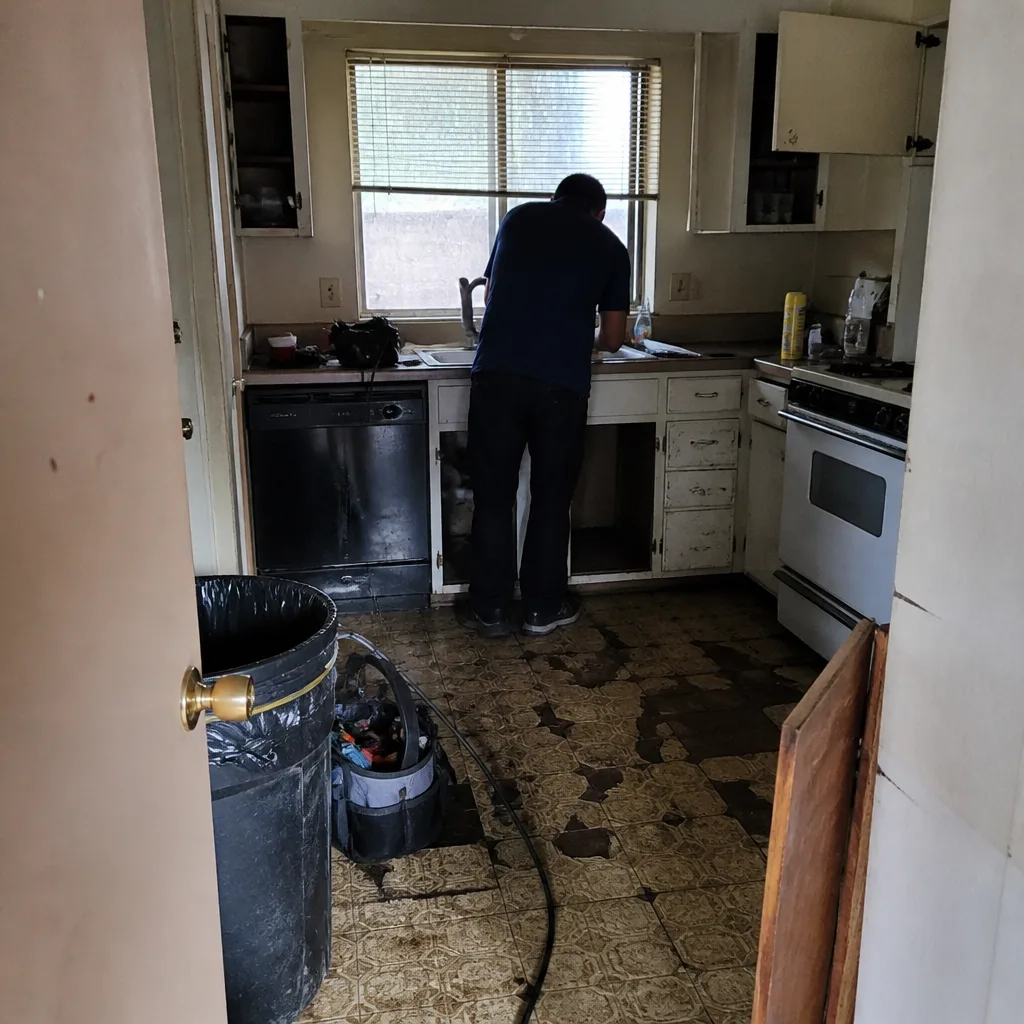 Before
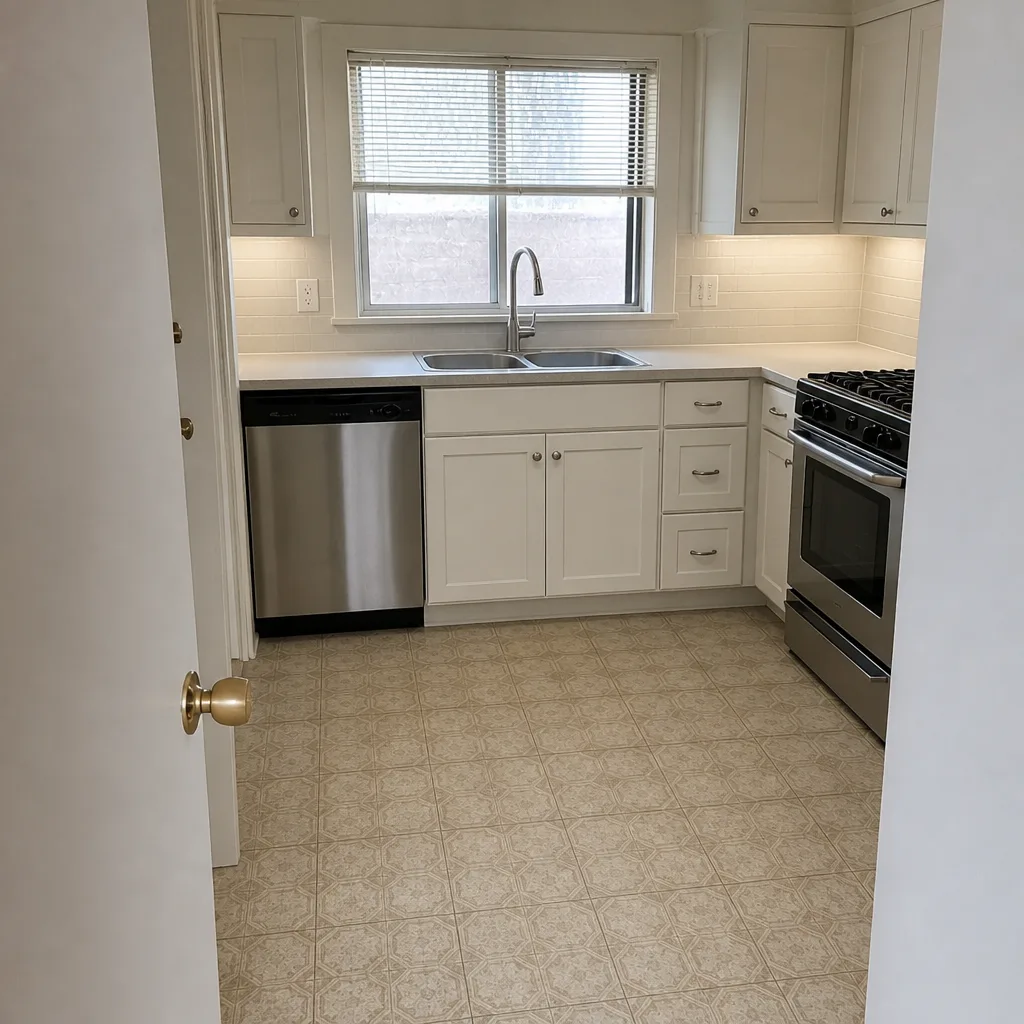 After
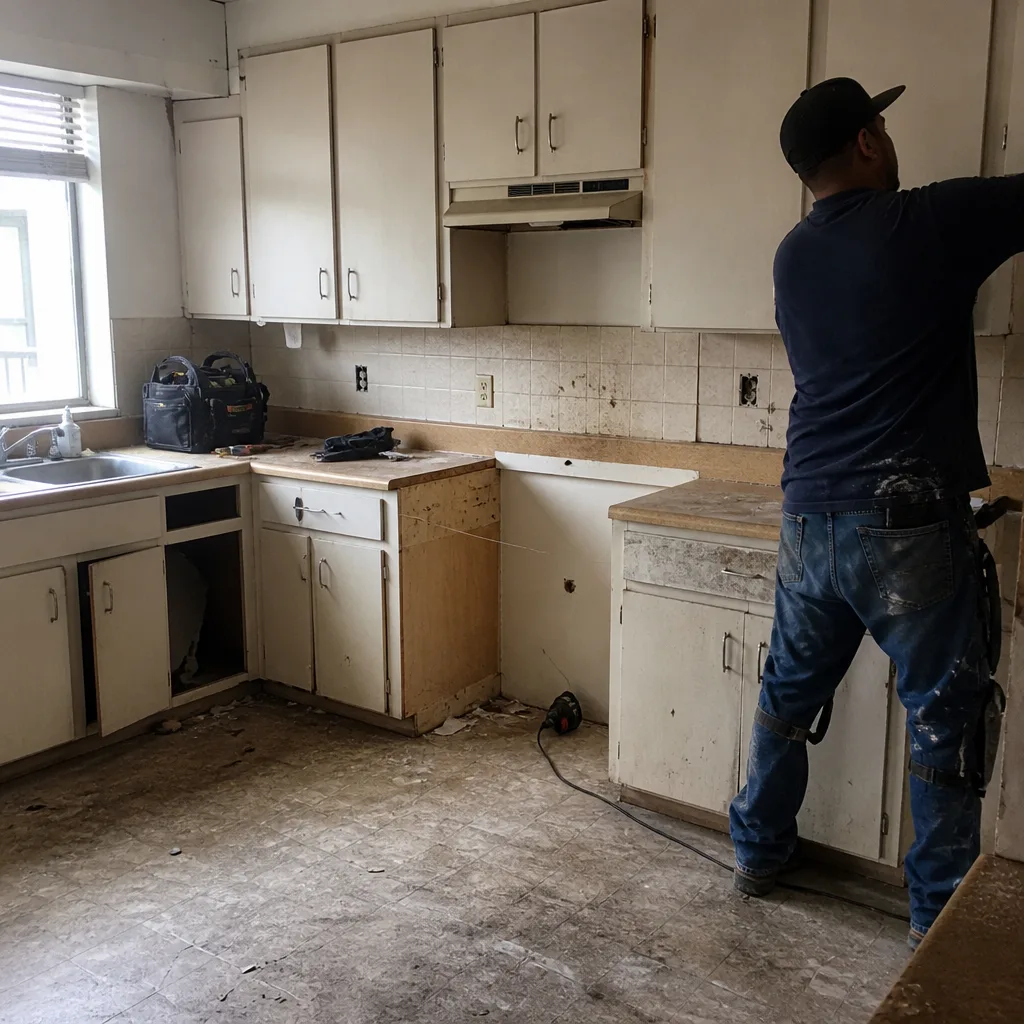 Before
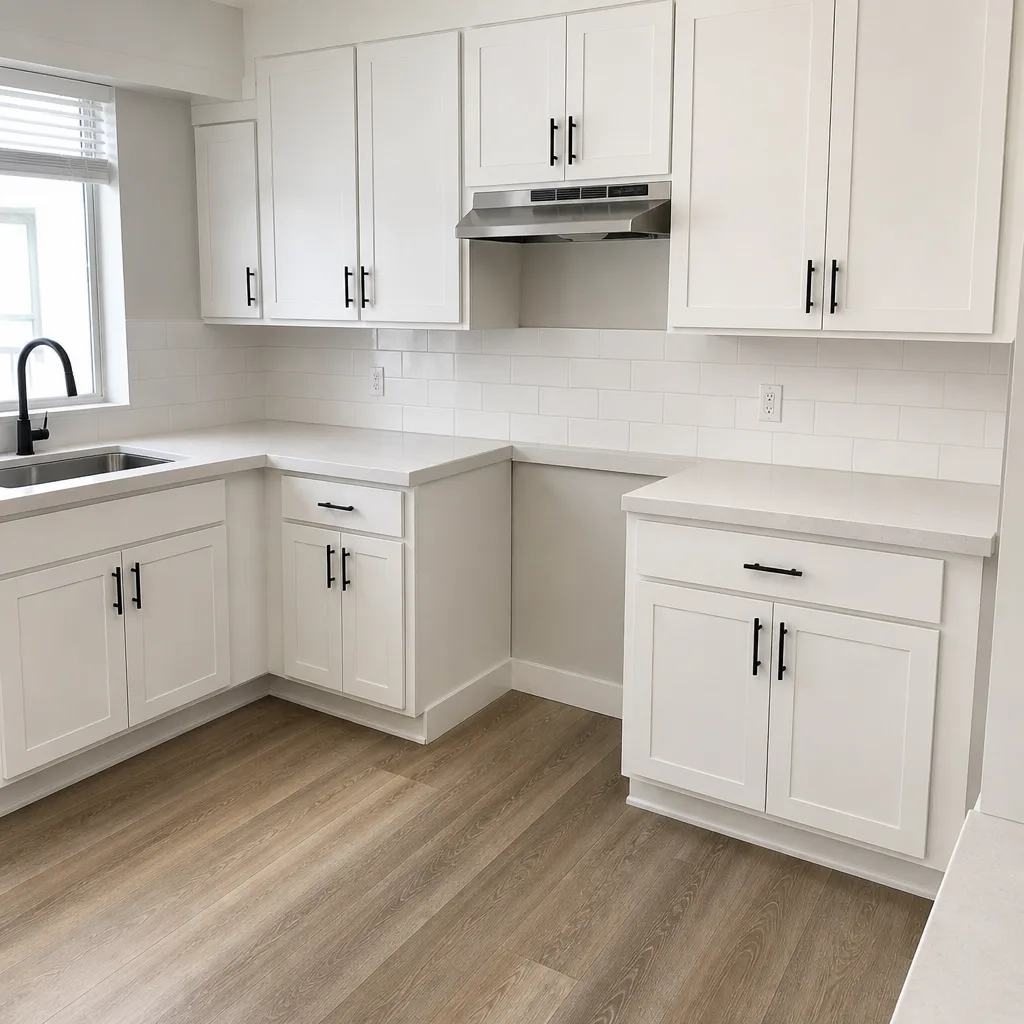 After
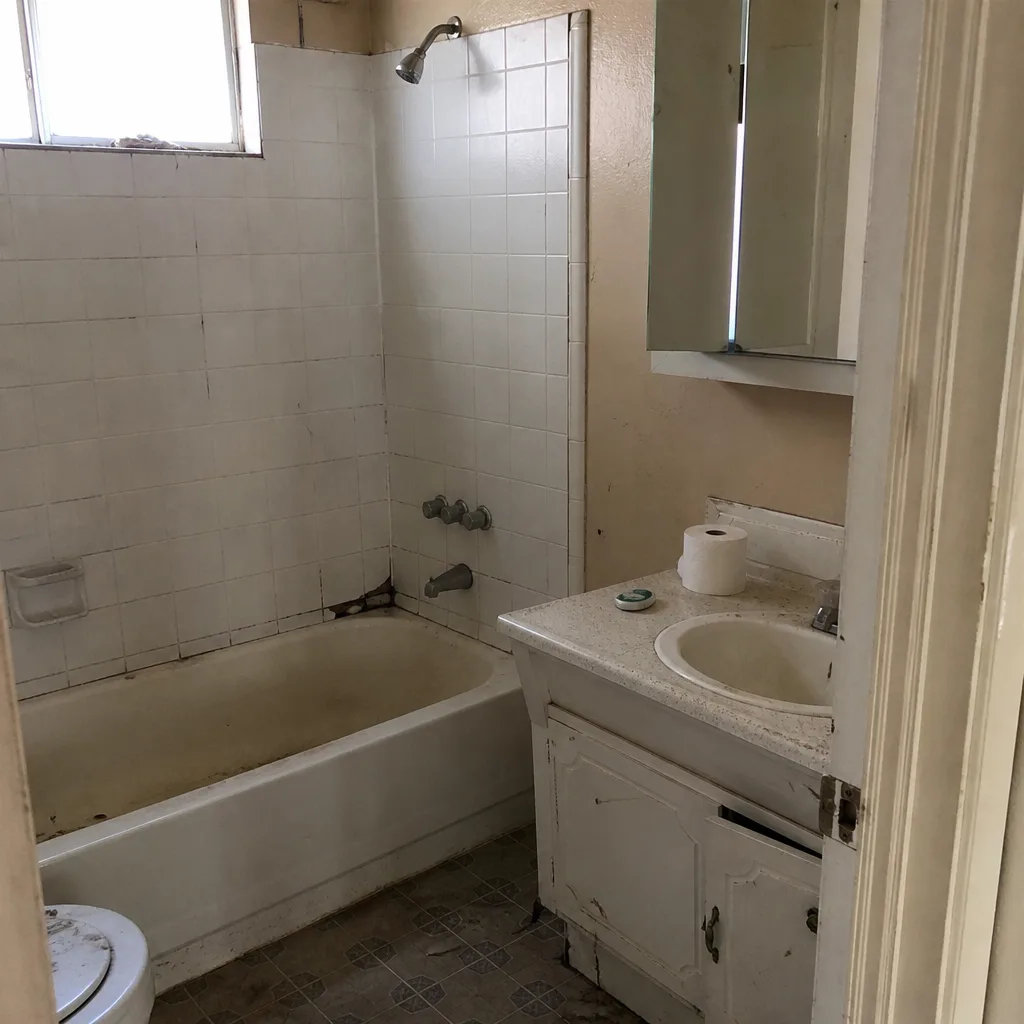 Before
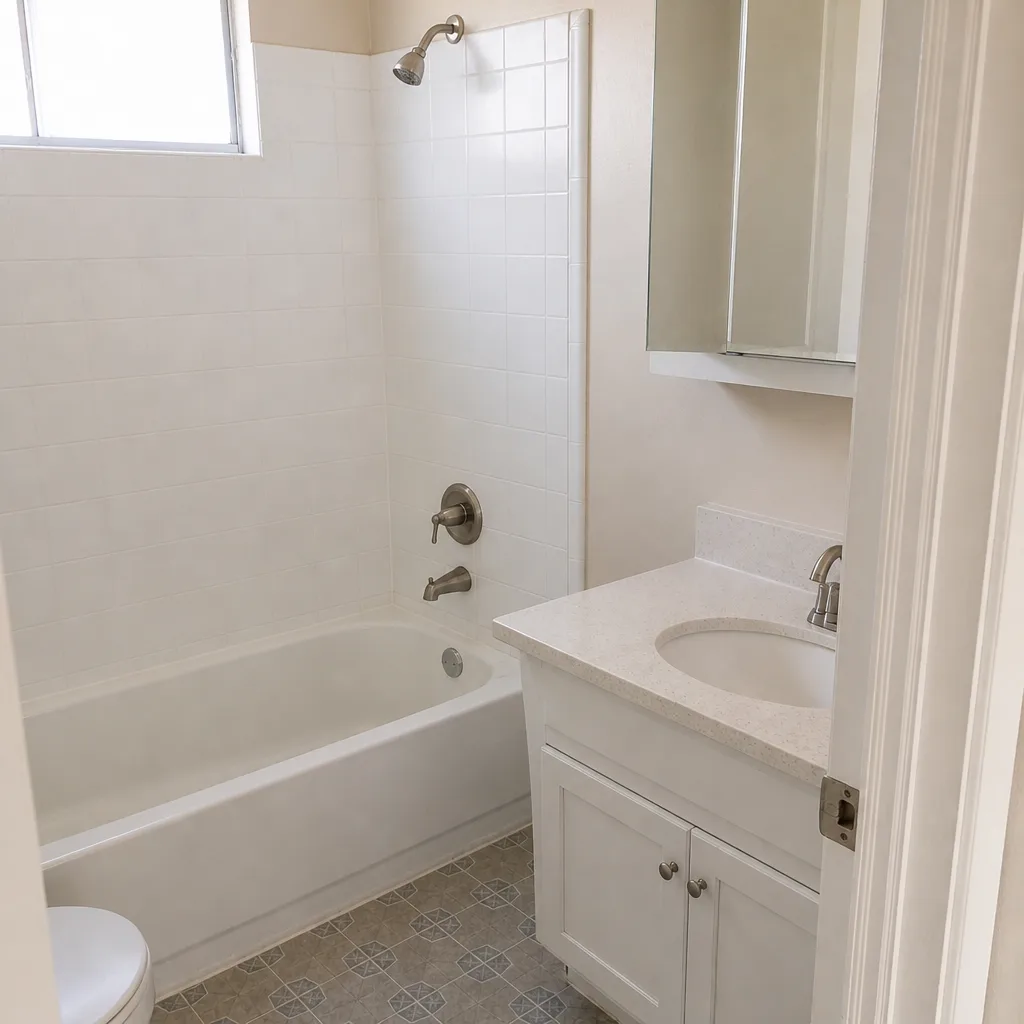 After
When to Call a Professional
Some projects are genuinely do-it-yourself friendly. Swapping a faucet, painting a bedroom, or replacing a light fixture doesn’t need a contractor. The line crosses when the work touches structure, electrical, plumbing, gas, or permits. A bathroom remodel almost always crosses it, because moving a drain or adding a circuit requires a permit and an inspection. A kitchen renovation crosses it the moment cabinets come out, because you’re now dealing with the wall behind them. Structural changes, anything that involves opening a wall, and any project where you’d be coordinating more than one trade are all moments to call a professional.
The same goes for projects that involve multiple phases. If you’re planning a kitchen now and a bathroom next year, bringing one contractor in for both gives you a coordinated scope and a single point of contact across the whole plan. Our home remodeling work is built around that idea: one contractor, every phase, from the estimate to the walkthrough.
Remodeling Rancho Cordova offers free estimates in Rancho Cordova. Call (279) 202-9773 to schedule yours. We answer 24/7. Fast dispatch from 7am to 7pm, Sunday through Friday.
Frequently Asked Questions
Go to cslb.ca.gov, enter the license number, and confirm the license is active, the classification matches the work, and the bond and workers’ compensation are current. The lookup is free and takes a few minutes. If the classification is a single-trade license and your project spans multiple trades, ask how the other trades are covered. Call (279) 202-9773 for a free estimate on your scope.
A B classification is a general building contractor license, which allows the contractor to take projects that involve multiple trades under one contract. That’s the classification you want for a remodeling project that includes demolition, cabinetry, electrical, plumbing, and finish work. Single-trade classifications like C-33 for painting are limited to that trade and shouldn’t be running a multi-scope project. The local pro is licensed and insured as their state requires. Call (279) 202-9773 to talk through your project’s scope.
Cost depends heavily on whether you’re keeping the layout, which materials you choose, and how much behind-the-wall work gets uncovered during demolition. The written estimate sets the final price, and we provide free written line-item quotes so you can see exactly what each material and phase costs before work begins. Call (279) 202-9773 for an exact quote, estimates are free.
A well-written scope with named materials and allowances reduces change orders to genuine surprises, like a hidden plumbing problem behind a wall. We pull the permits, pass the inspections, and stand behind the workmanship, with the price set by the written estimate. If a change is needed, it should be documented and approved in writing before any work proceeds. Call (279) 202-9773 to schedule your free estimate.
Yes, permits are pulled as part of the project, and inspections are scheduled and passed before the final payment is due. Most structural, electrical, and plumbing work in Rancho Cordova requires a permit from the city’s building department, and the permit record matters for future resale. Ask any contractor you’re considering who pulls the permit and who schedules the inspections. Call (279) 202-9773 to talk through permit requirements for your scope.
Yes, and that’s the point of a single-source remodeler. Handling kitchen remodeling, bathroom remodeling, flooring installation, and interior and exterior painting under one contract means one point of contact and no coordination gaps between trades. You choose the brand, we handle the build. For remodeling in Rancho Cordova, that spans the full interior and exterior of the home. Call (279) 202-9773 for a free estimate.
The Bottom Line
Hiring a construction contractor in Rancho Cordova isn’t about finding the lowest bid. It’s about reading the bid for what it reveals: whether the materials are named, whether the scope accounts for what’s behind the walls, whether the license and classification match the work, and whether the payment schedule ties money to verified progress. Get three bids, but compare them line by line, not by the total at the bottom. Verify the license yourself. Insist on a site visit. And ask the questions about sourcing and subcontractors that separate a contractor with real manufacturer relationships from one reverse-engineering a scope to hit a number. Do those things, and the contract you sign will be one you can actually hold someone to.
Our technicians have up to 8 years of experience.
Remodeling Rancho Cordova offers free estimates in Rancho Cordova. Call (279) 202-9773 to schedule yours. We answer 24/7. Fast dispatch from 7am to 7pm, Sunday through Friday.
Written by the team at Remodeling Rancho Cordova.