Last updated November 25, 2026







Free written scope consultation - allowances, timeline, and change-order rules on paper before a single trade is scheduled
Construction Warning Signs: A Rancho Cordova Homeowner’s Reference Guide
Most warning sign guides describe disasters. The crack you can put your hand through. The ceiling that’s sagging like a hammock. The floor that bounces when you walk across it. Those are real, and by the time you see them, the conversation has moved from maintenance to remediation.
The signs that actually protect Rancho Cordova homeowners are quieter than that. A door that sticks for the first time in October. A hairline crack that’s angled rather than vertical. A line of white powder under a light switch. These are the signals that get rationalized away for a season or two, and they’re the ones worth learning to read. This guide organizes warning signs by location in the home rather than by problem type, because that’s how a homeowner actually notices them: room by room, wall by wall, on a walk-through you didn’t plan to do.
Quick Answer
The construction warning signs that matter most in Rancho Cordova are diagonal cracks at door and window corners, doors that bind seasonally, chalky white deposits or bubbling paint on stucco walls, musty smells inside cabinets against exterior walls, and tile that sounds hollow when tapped. Cosmetic issues can usually wait; movement and moisture cannot. Catching a moisture or foundation problem in its first season typically costs a fraction of the same repair two or three years later, once framing and finishes are involved.
Styles & brands we work with
- Kitchen remodeling
- Bathroom remodeling
- Home additions & ADU
- Roofing
- Windows & doors
- Driveway & pavers
- Fence
Table of Contents
- Foundation and Structural Warning Signs on Sacramento Valley Clay
- Moisture Intrusion Signals in Stucco-Heavy Rancho Cordova Homes
- Kitchen and Bathroom Signs That Point to Substrate Failure
- Electrical and HVAC Warnings in Pre-2000 Subdivisions
- A Numbered Walk-Through: How to Inspect Your Own Home
- Cosmetic vs. Structural: How to Tell What Can Wait
- Keeping a Home Record That Saves You Money Later
Foundation and Structural Warning Signs on Sacramento Valley Clay
Rancho Cordova sits on expansive clay soils, and those soils move with moisture. The dry season pulls water out of the clay and it shrinks. The first substantial fall rains push moisture back in and it swells. That cycle is what a foundation feels, season after season, and it explains why the most telling structural warnings here are seasonal rather than year-round.
A door that suddenly sticks in October is the classic example. It isn’t the dry air of a Sacramento Valley autumn causing a humidity problem, and a lathe and a block plane won’t fix it. When a door binds for the first time as the rains arrive, it’s often the first visible sign that the soil under one part of the slab is heaving while another part stays put. The house is reacting to differential movement, and the door frame is simply the most sensitive gauge you own.
Watch for these structural signals:
- Diagonal cracks at door and window corners. These follow the corners of openings because that’s where stress concentrates. A vertical hairline crack in the middle of a wall is usually benign; a crack running at 45 degrees from a corner is telling you something.
- Doors and windows that bind seasonally. If they free up in spring and stick again in fall, the pattern itself is the finding.
- Uneven floors. Set a marble on the kitchen floor. If it rolls to the same spot every time, that low point wasn’t there when the slab was poured.
- Cracks that keep growing. Measure a crack with a pencil mark and a date written beside it. If it’s wider in three months, that answers the question for you.
- Cracks wider than a quarter inch, or any crack where one side sits higher than the other. Horizontal offset is a different category from width, and it warrants a professional look.
Here’s the distinction that saves the most money: clay soil movement is normal, and a certain amount of it is expected in any Rancho Cordova home. The question isn’t whether the soil moves. It’s whether the movement is seasonal and stable or progressive. Seasonal movement that repeats on the same cycle is a maintenance conversation. Movement that keeps going in one direction is a structural one, and it’s the version that gets more expensive every month it’s ignored.
Moisture Intrusion Signals in Stucco-Heavy Rancho Cordova Homes
Much of the housing in Rancho Cordova’s established neighborhoods wears a stucco exterior, and stucco is good at hiding water. It doesn’t blister and peel the way wood siding does. It doesn’t show you a stain the way drywall does. Moisture gets behind the stucco, sits against the sheathing, and works quietly until something inside the house finally tells you.
That’s why moisture evidence inside a stucco home tends to show up in second place, not first. The wall looked fine. The thing underneath it didn’t.
Learn to recognize these three:
- Efflorescence. That chalky white or grayish powder on stucco, brick, or concrete isn’t mold and it isn’t dirt. It’s mineral salts pushed to the surface by water moving through the material and evaporating. Efflorescence means water is traveling through the wall, and the deposit is where it exited.
- Paint bubbling or blistering. Bubbles in paint look like small domes. Each one is a pocket where moisture is trying to escape from behind the film. Bubbling near a window frame, a roofline, or the base of a wall is worth tracing upward and outward to find the entry point.
- Musty smells inside cabinets on exterior walls. If the cabinet under the kitchen sink or the closet on the back wall of the house smells like a damp basement every time you open it, the wall behind it is likely wet. Cabinets trap air, and trapped air holds a smell longer than an open room will.
Add one more to the list, because it’s specific to how these homes age: dark staining or soft, crumbly stucco at the base of a wall, just above the soil line. Stucco needs to terminate above grade with a weep screed so water can exit the wall assembly. When soil or landscaping mulch has been piled against the stucco over the years, that exit gets blocked and water wicks upward into framing. If you’ve been meaning to pull the mulch back from the house, that’s a weekend task with a real payoff. If you’re planning exterior work anyway, it’s the right time to have the wall assembly checked while the surface is open. Our Remodeling Rancho Cordova work regularly starts with exactly that walk-through, because nobody wants new siding stapled over wet sheathing.
Winter here is mild, and that lulls people. Mild winters still deliver rain, and rain on a wall with a blocked drainage plane does the same thing it does anywhere: it soaks in and stays. Mild means you have more working days to fix it, not that you have more years.
Kitchen and Bathroom Signs That Point to Substrate Failure
Tile is a surface. The thing holding the tile is a system, and the system fails before the tile does. That gap, between the cosmetic surface and the substrate beneath it, is where kitchens and bathrooms hide their real problems.
A homeowner looks at a bathroom floor and sees tile that still looks fine. A technician kneels down, taps it, and hears a story. Hollow sounds under tile mean the tile has separated from the thin-set and the substrate. That separation starts small, at a corner or along a grout line, and it grows.
What to check in a bathroom:
- Tap across the floor and shower walls with a screwdriver handle, working in a grid. Hollow, drum-like notes versus solid, dead notes. Mark the hollow spots with painter’s tape.
- Look at the caulk line where the floor meets the wall and where the shower pan meets the tile. Caulk that pulls away and won’t hold a fresh bead is often a sign the two surfaces are moving independently.
- Press on the floor near the toilet flange and along the tub apron. Any give, any flex, any softness is substrate trouble.
- Check the grout for cracks that keep reappearing in the same lines. Re-grouting the same joint three times is a sign you’re treating a symptom.
Kitchens show the same pattern in different places. Look under the sink where the cabinet bottom meets the sides. A swollen, delaminated cabinet floor is moisture, and it usually means the plumbing above it has been weeping long enough to saturate the particleboard. Look at the countertop seam behind the sink. Caulk that’s dark or missing there lets water run behind the backsplash and into the cabinet below.
This is where material choice matters more than people expect. A substrate failure under a tile shower means the shower comes out, and the rebuild is a chance to specify what goes back in. That’s the conversation we have with homeowners: you choose the brand, we handle the build. Cambria, Silestone, and Caesarstone countertops each behave differently under use and each carries its own warranty terms, and Kohler fixtures come in tiers that suit different budgets without forcing a single take-it-or-leave-it option. Knowing the options before demolition starts is what keeps a substrate repair from becoming a rushed decision in a half-finished room. Our bathroom remodeling work begins with the substrate question for exactly this reason.
Electrical and HVAC Warnings in Pre-2000 Subdivisions
A large share of Rancho Cordova’s housing stock went up in the 1980s and 1990s, and homes from that era are now at the age where systems start asking for attention. Thirty and forty years is roughly when original water heaters, HVAC equipment, and electrical panels reach the end of their design life, and when the shortcuts of a fast build cycle start to show.
These are the signals worth acting on:
- A warm or discolored cover plate on an outlet or switch. Any outlet that’s warm to the touch, or a faceplate that’s browned or cracked, is a warning. Stop using it and have it looked at.
- Flickering lights when a large appliance kicks on. The refrigerator, the AC compressor, the microwave. Lights that dim when a motor starts point to a connection or capacity problem in the panel or the circuit.
- A panel with no clear labeling, or a brand you can’t research. Every breaker should be labeled. Unlabeled panels mean the next person working in the house is guessing, and guessing at a live panel is how people get hurt.
- Buzzing or a faint burning smell near the panel. This is not a “watch it for a while” situation. Buzzing at the panel is a call-a-professional-now signal.
- An HVAC system that short-cycles. It runs for a few minutes, shuts off, runs again. Short cycling strains the compressor, and a compressor is the most expensive part of the system.
- Rust or scale in the condensate line, or water staining on the ceiling below an air handler in the attic. Attic air handlers in these homes are common, and a slow condensate leak soaks insulation and drywall before anyone notices.
We’ll say this plainly because it’s the safety point that matters most on this page: electrical panels and wiring are not a homeowner project. Opening a panel cover puts you next to live conductors and no shutoff habit protects you from every configuration you’ll find in a forty-year-old house. Treat panel work the way you’d treat gas line work. Identify the symptom, then call someone trained and licensed for it.
The good news for these subdivisions is that the warning signs are early and loud if you know what to listen for. A buzzing panel and a short-cycling compressor are both announcing themselves well before they fail completely. Catching them at the announcement stage is the difference between a service call and a replacement.
A Numbered Walk-Through: How to Inspect Your Own Home
You don’t need tools to do this. You need twenty minutes, a notebook, and painter’s tape. Do it twice a year: once at the end of the dry season, before the rains arrive, and once in spring. The comparison between the two is worth more than either inspection alone.
- Walk the exterior perimeter and look up. Follow the roofline and the stucco from the soil line to the eaves. Note any crack, any efflorescence, any paint bubbling, any stain. Write where it is on the wall and how long it looks.
- Open and close every exterior door and window. Note which ones stick, which ones don’t latch cleanly, which ones drag on the sill. The pattern across the whole house matters more than any single door.
- Inside, check every room’s ceiling and the corners of every opening. Look at the corners of doors and windows first, ceiling and floor. Then the ceiling itself, especially under bathrooms and under attic equipment.
- Run water in every fixture and look under every sink. Faucet on, look at the supply lines and the P-trap with a flashlight. Any moisture, any dark ring on the cabinet floor, write it down.
- Tap the tile in the bathrooms. Floor and shower walls, in a grid. Tape the hollow ones.
- Open the electrical panel door and read the labels. Don’t remove the cover. Do the breakers match what’s actually in the house? Any unlabeled breaker? Any breaker that’s warm? Note it and stop there.
- Set a marble on the floor in two or three rooms and watch where it settles. Note the low spots. Next season, see if the marble settles in the same place.
- Photograph everything you found and date the photos. A phone photo with a date stamp turns a vague worry into a timeline, and a timeline is what lets a professional tell you whether something is moving.
That’s the whole method. Note, date, compare. When you eventually call someone, you’ll have a record that shortens the conversation and improves the estimate. Our team has worked in homes across this city long enough to know that a homeowner’s dated photos are often more useful than a memory of “it seems worse than last year.”
Cosmetic vs. Structural: How to Tell What Can Wait
The hardest part of this whole exercise is triage. Every item on your list looks like the same kind of item, and it isn’t. Here’s a way to sort them.
Can usually wait a season: hairline vertical cracks in drywall, a scuffed baseboard, faded paint, grout that’s discolored but intact, a cabinet door that needs adjusting, caulk that’s cracked but still in place. These are finish problems. Watch them, schedule them, bundle them into a bigger project later.
Should be checked within weeks: new diagonal cracks at openings, doors that started binding this season, efflorescence on the exterior, paint bubbling on stucco, musty smell inside a cabinet on an exterior wall, hollow tile, a warm outlet cover, a short-cycling HVAC system.
Call now, don’t wait: a buzzing or hot electrical panel, a burning smell, any crack with visible offset where one side sits proud of the other, water actively coming through a ceiling, or a shower that’s leaking into the wall behind it. Every one of these either involves a shock or fire risk or is actively destroying material every day it continues.
The cost difference between early and late is the reason this guide exists. A moisture problem caught at the efflorescence stage is a drainage and flashing repair. The same problem caught two years later, once the sheathing and framing behind the stucco have absorbed water, becomes a wall opening, replacement of structural material, and new finishes on both sides. You’re paying for the same water either way. The question is how much of the house it’s allowed to touch first.
When a repair does turn into a project, that’s also the moment to think past the immediate problem. If a bathroom has to come apart for a substrate repair, it makes sense to price the whole room. If a wall has to open for moisture repair, it makes sense to talk about what goes back on the exterior while access is already there. Our home remodeling projects usually start as one of these repairs and grow into a fuller scope because the homeowner realizes the access is the expensive part, not the finishes.
Keeping a Home Record That Saves You Money Later
The single most useful thing a homeowner can carry into an estimate conversation is a folder. Not a meticulous one, just a folder. Photos with dates, receipts for past work, the name of whoever serviced the HVAC last, a sketch of which cracks were where in what season.
Why it matters: a professional standing in your hallway is trying to answer one question. Is this active or is this stable? Every piece of history you can hand over moves that answer from a guess toward a finding. A photo of a crack from eighteen months ago next to the same crack today settles a question that would otherwise require monitoring time you don’t want to spend.
Keep these four things:
- Dated photos of any crack, stain, or deformation, taken the same distance and angle each time.
- A simple log of when a door first stuck, when the HVAC started short-cycling, when a smell appeared. Season matters more than you’d think on clay soil.
- Receipts and paperwork for any past repair, especially anything that involved opening a wall or a floor.
- A list of open questions. The things you wondered about and didn’t chase. Bring the list to the estimate; it’s shorter than you think and it tells us what you’re worried about.
If a project does go ahead, material records become part of that paper trail too. When we work with named brands across the scope, from KraftMaid and Wellborn cabinetry through to James Hardie siding and GAF roofing materials, the homeowner keeps the documentation that came with them. Warranty claims later go much more smoothly when you can say exactly what went in and when.
Common Mistakes to Avoid
These are the errors we see most often in Rancho Cordova homes, and each one has a predictable cost.
- Blaming the dry season for a door that sticks in fall. In a clay-soil region, first-rain binding is movement, not humidity. Planing the door solves the symptom and leaves the cause alone for another year.
- Caulking over efflorescence instead of finding the water. Sealing the surface of stucco that’s expelling moisture traps that moisture inside the wall. The white powder will come back, and next time it brings a soft sheathing with it.
- Re-grouting the same shower joint repeatedly. A grout line that cracks in the same place after three repairs is not a grout problem. It’s movement underneath, and the tile has to come up to answer it properly.
- Piling soil or mulch against the stucco. It’s the most common preventable moisture cause in stucco homes, and it’s free to fix. Pull the material back to expose the weep screed.
- Opening an electrical panel cover to “just take a look.” There is no safe amount of amateur time inside a live panel. Label what you can see, note what’s warm, and hand it to someone trained.
- Treating an unlabeled panel as a someday problem. Every breaker unlabeled is a risk to whoever works in that house next, including the next owner. It’s a small task with a large payoff.
- Waiting for a crack to “get worse” before calling anyone. A dated photo today is cheaper than a photograph of the repair bill in two years. Measuring is free.
See the difference
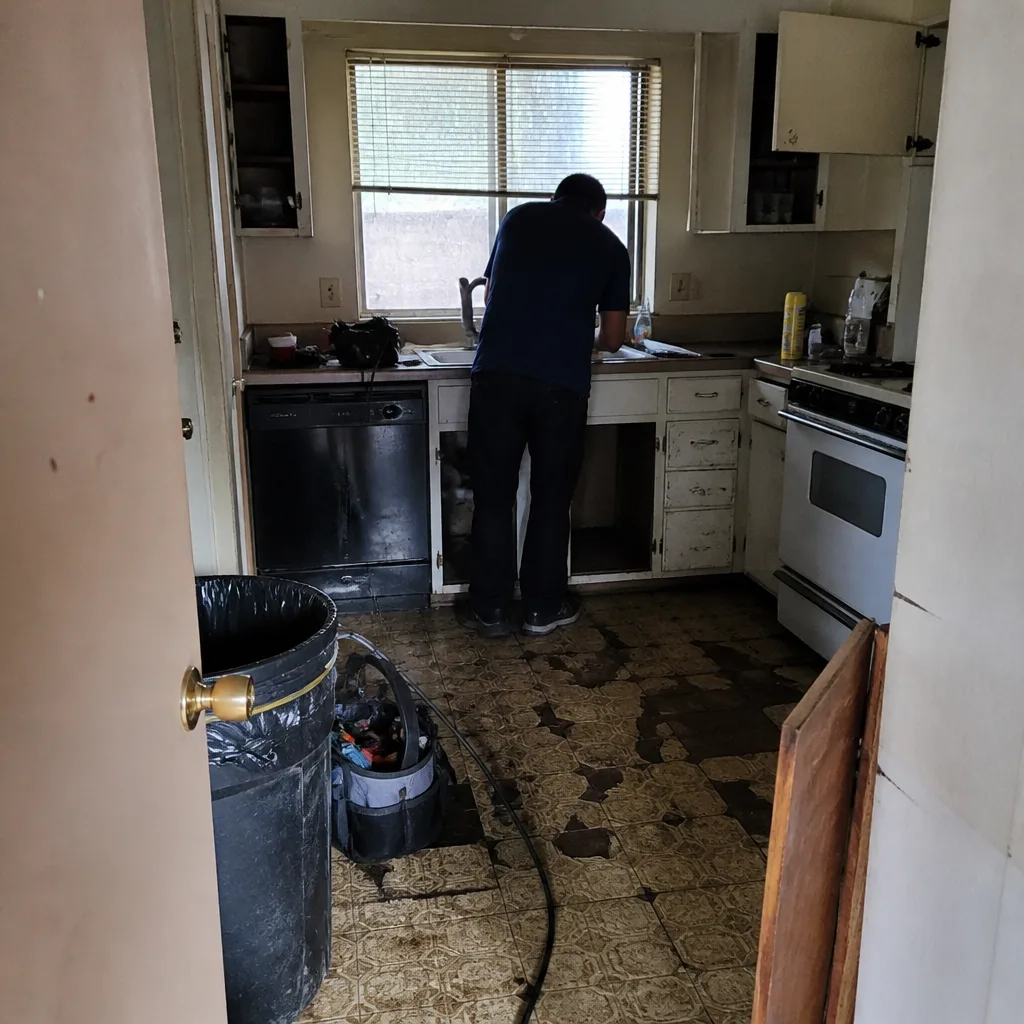 Before
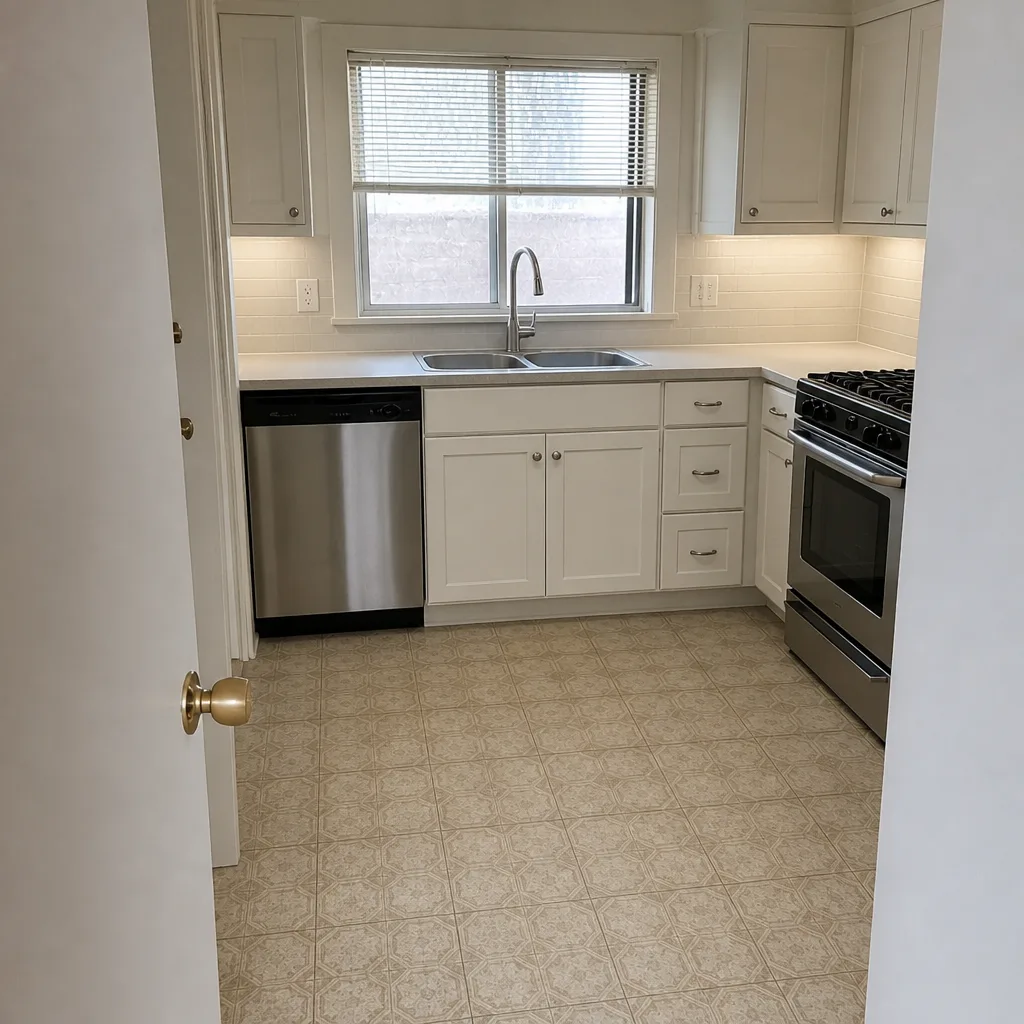 After
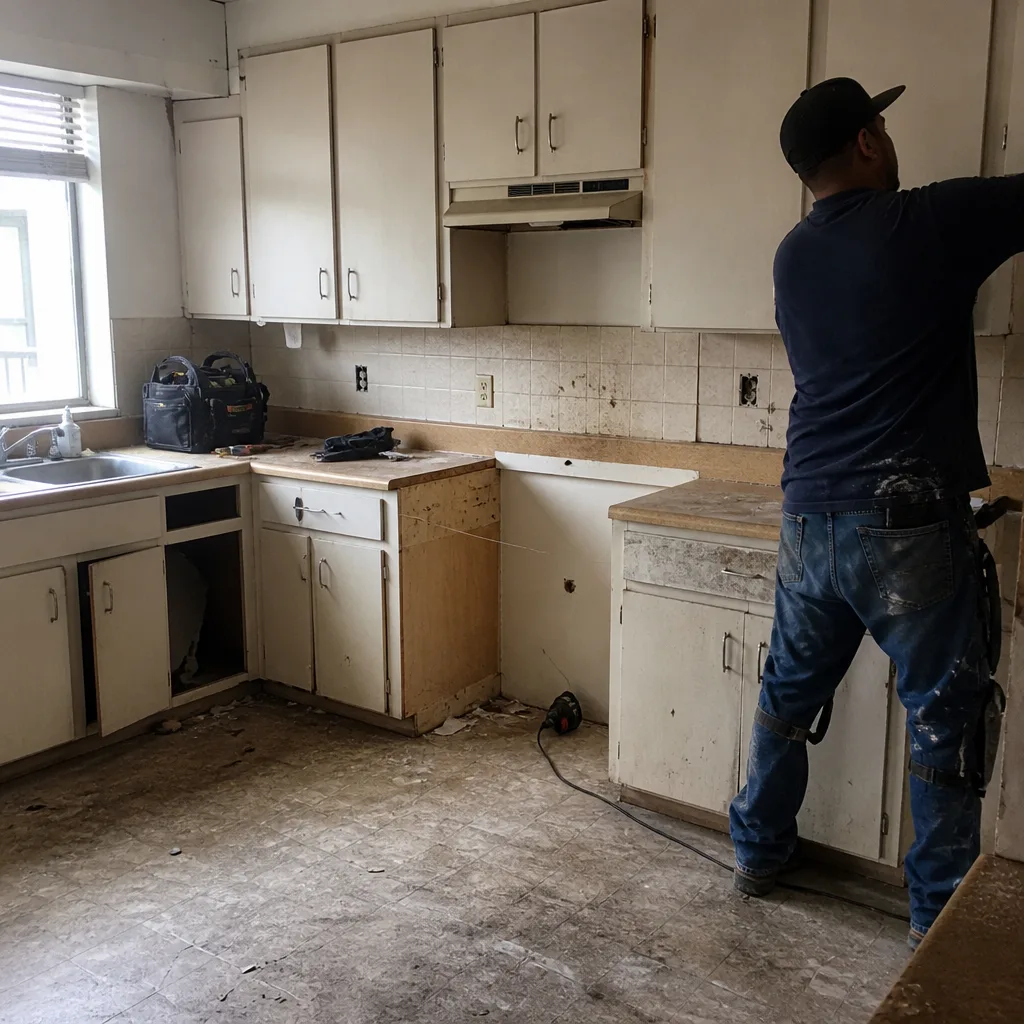 Before
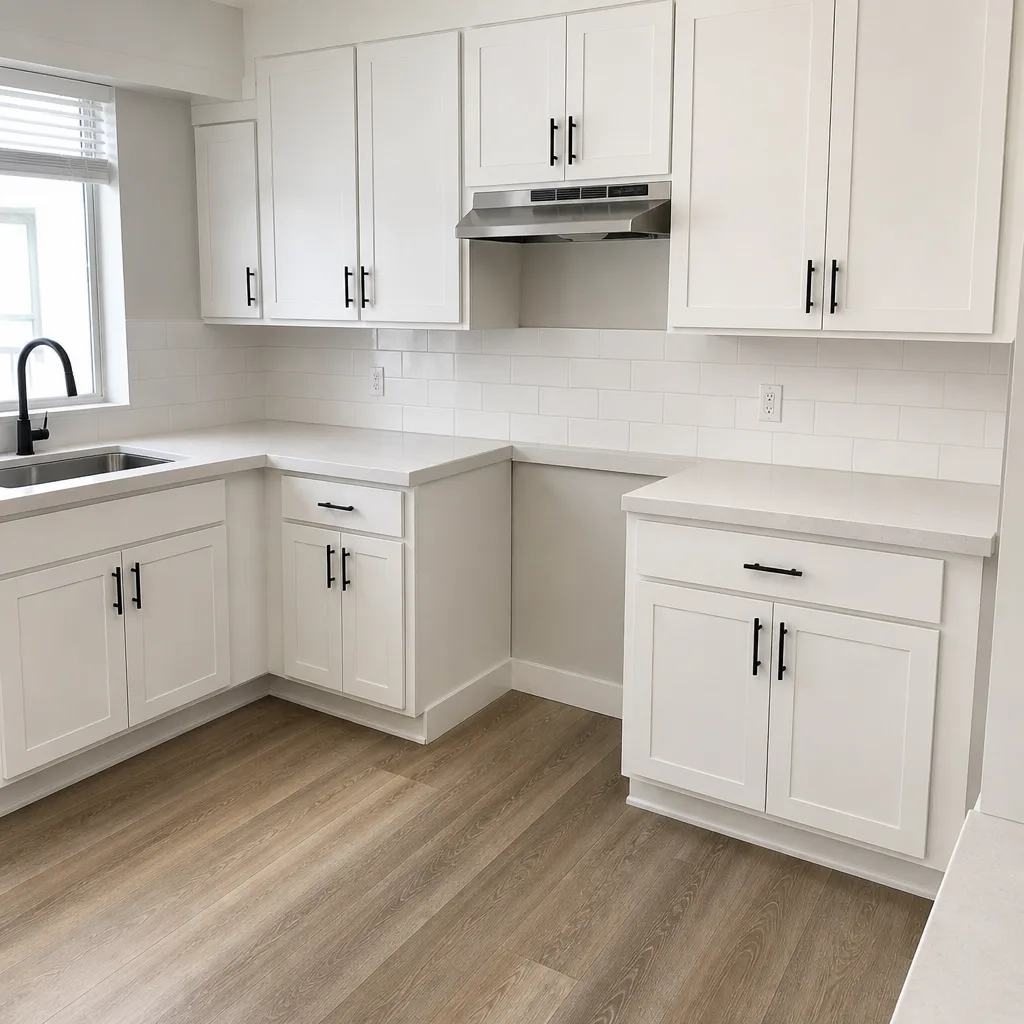 After
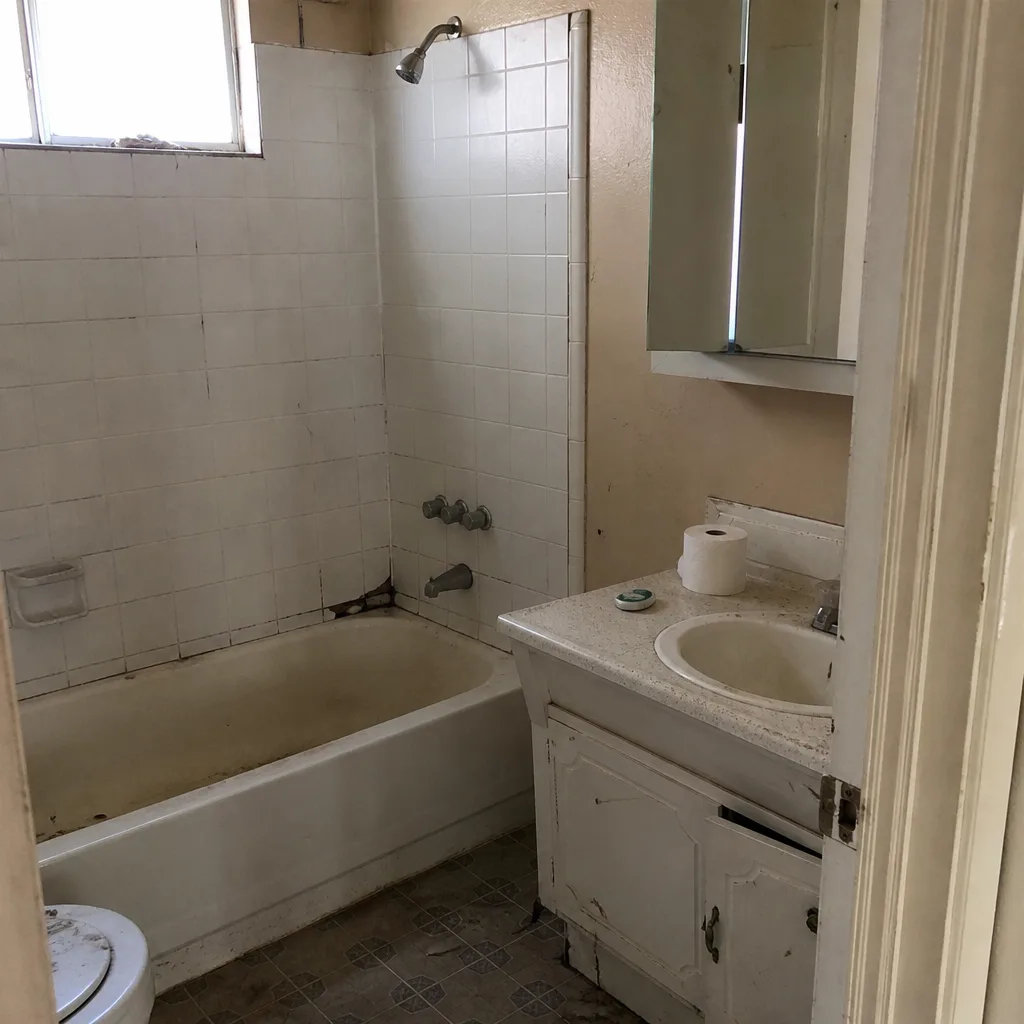 Before
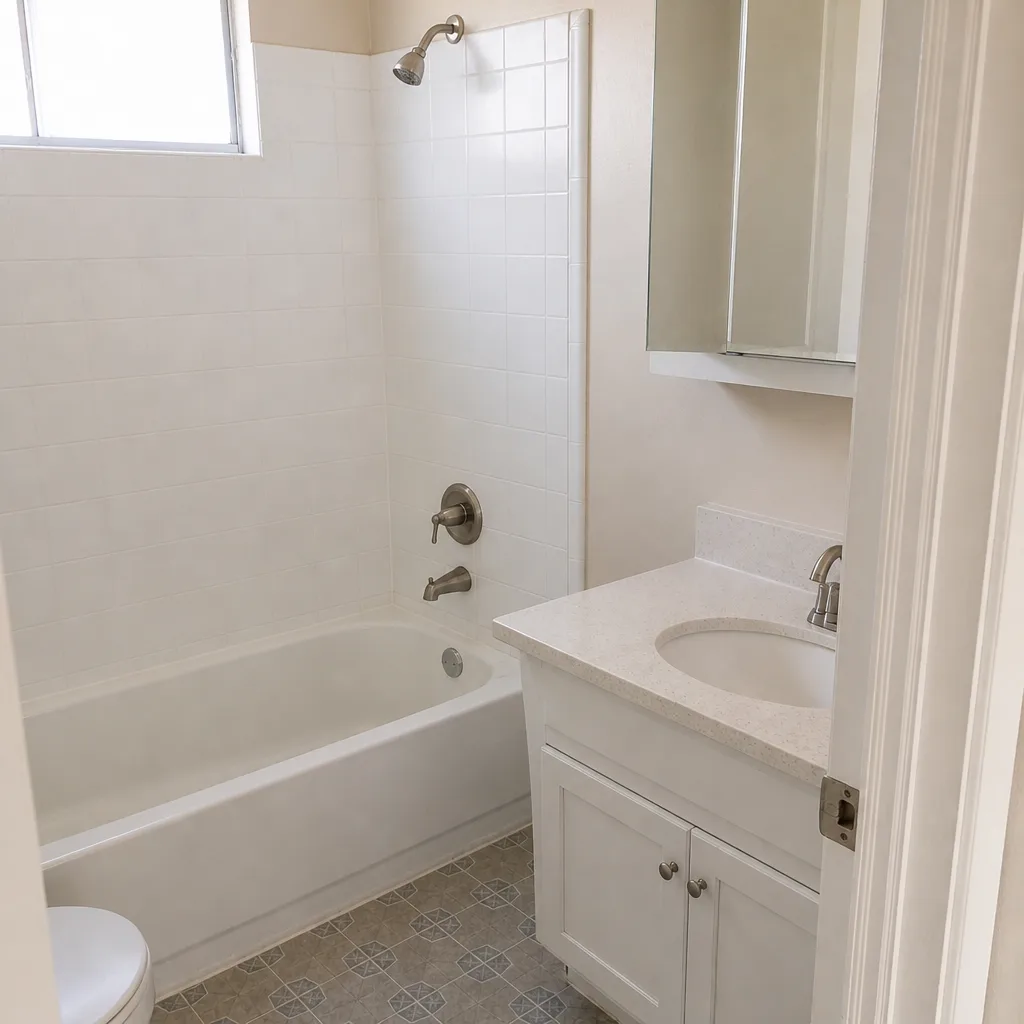 After
When to Call a Professional
Call a professional when a warning sign is new, when it’s growing, or when it involves electricity or active water. Specifically: a diagonal crack that appeared this season, a door that started binding after years of closing cleanly, efflorescence or bubbling paint on the exterior, a musty cabinet on an exterior wall, hollow tile in a bathroom, a warm or buzzing electrical panel, or any water staining on a ceiling. Those are the signals that reward early attention.
For a repair that’s grown into a project, Remodeling Rancho Cordova offers free estimates in Rancho Cordova. Call (279) 202-9773. We answer 24/7. Fast dispatch from 7am to 7pm, Sunday through Friday. You’ll get a written, line-item estimate with the scope laid out clearly, so you can see exactly what’s being fixed and why. Our technicians have up to 8 years of experience, and the work is handled by one accountable contractor from estimate to walkthrough, whether that means kitchen remodeling after a substrate failure or a full interior and exterior scope.
Frequently Asked Questions

Direction and progression are the two tests. A vertical hairline crack in drywall is usually cosmetic. A crack running diagonally from the corner of a door or window is worth a professional look, and a crack that’s widening or where one side sits higher than the other is structural until proven otherwise. Take a dated photo and measure it, then call (279) 202-9773 if it changes.
It’s usually clay soil movement, not humidity. The first fall rains swell the expansive clay under the slab, and the house shifts slightly with it. A door that binds for the first time in autumn, then frees up in spring, is describing a seasonal pattern worth documenting. If the binding gets worse each year rather than repeating evenly, that’s the point to get it looked at.
It’s efflorescence, and it means water is moving through the wall and evaporating at the surface, leaving mineral salts behind. It isn’t mold and it isn’t a cosmetic stain. The fix is finding and correcting the water source, not cleaning the powder off. Painting over efflorescence traps moisture in the wall assembly, so have the source traced first.
We don’t quote a number without seeing the specific wall, because the range depends entirely on how far the water has traveled. What we can say is that early means correcting drainage, flashing, or a failing seal before framing and finishes are involved. Late means opening the wall, replacing saturated material, and rebuilding both sides. The written estimate sets the final price, and the estimate itself is free. Call (279) 202-9773 for an exact quote.
Yes. Hollow sound means the tile has separated from the thin-set and the substrate below it, which usually points to a moisture or deflection problem rather than a tile problem. It won’t fix itself, and the separation spreads. Have it assessed before the tile starts cracking or the shower begins leaking behind the wall.
It depends on the scope, and the rule is simple: structural, electrical, plumbing, and any work that opens a wall usually requires a permit, while cosmetic surface work usually doesn’t. Most cities require a permit for this kind of work, so ask Rancho Cordova’s building department directly before work starts. A contractor who pulls permits and passes inspections is one of the strongest signals you’ve hired the right one. Call (279) 202-9773 to talk through your scope and get a free estimate.
The Bottom Line
The warning signs that protect your home aren’t the dramatic ones. They’re the door that binds in October, the chalky powder on the stucco, the hollow tile, the cabinet that smells damp. Each one is cheap to investigate and expensive to ignore, and in this city’s expansive clay and stucco-heavy housing stock, they arrive on a schedule you can learn to read.
Walk your house twice a year. Date your photos. Sort what you find into wait, check, and call now. And when a sign turns into a repair, get one contractor to own the whole scope rather than juggling three specialists who each blame the other. You choose the brand, we handle the build. Call (279) 202-9773 for a free estimate. We answer 24/7, with fast dispatch from 7am to 7pm, Sunday through Friday.
Written by the team at Remodeling Rancho Cordova.